@dB_Cooper 's Copper Cables: power cable DIY tutorial when?
2 Likes
Did it result in sonic disappointment as well?
1 Like
I like where you are going with this. Maybe you can come up with an idea of 2 or 3 designs that would allow for certain characteristics to pass through? Hmmm  I’m lovin’ the idea.
2 Likes
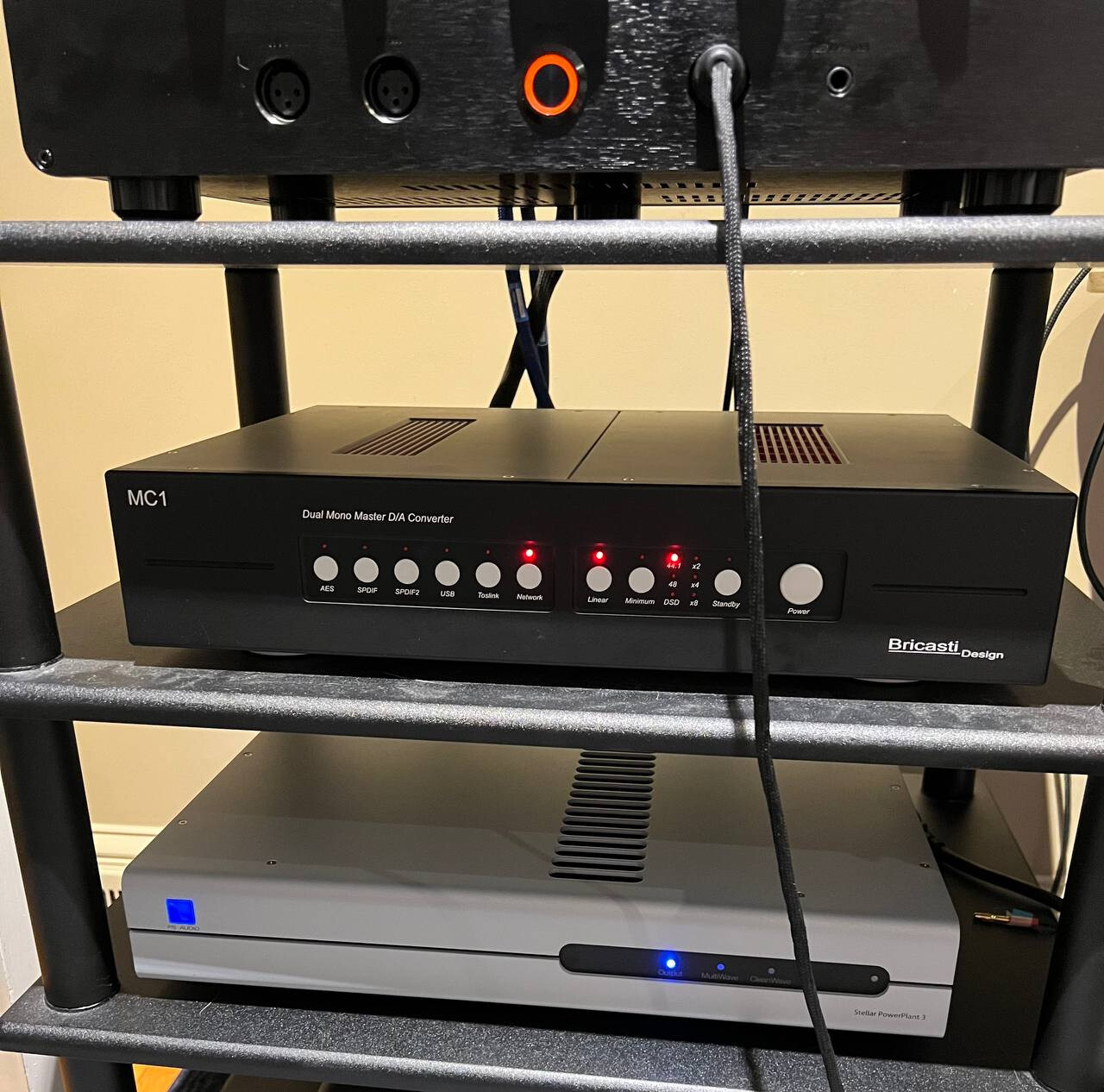
My P3 showed up today. This is actually my second unit as the first one arrived DOA about a week ago. I shipped it back (they covered shipping) and sent me a new one. I wasn’t really happy with their support because it took two emails to get in touch with them and I had to reach out via phone to figure out the status of the return but the new unit got to me eventually and this one works fine. Maybe I need to be more patient with these audio companies haha.
I’ll try and post some thoughts once I’ve used it for a bit. Will be in comparison to my other conditioner, the Puritan 156.
11 Likes
3 Likes
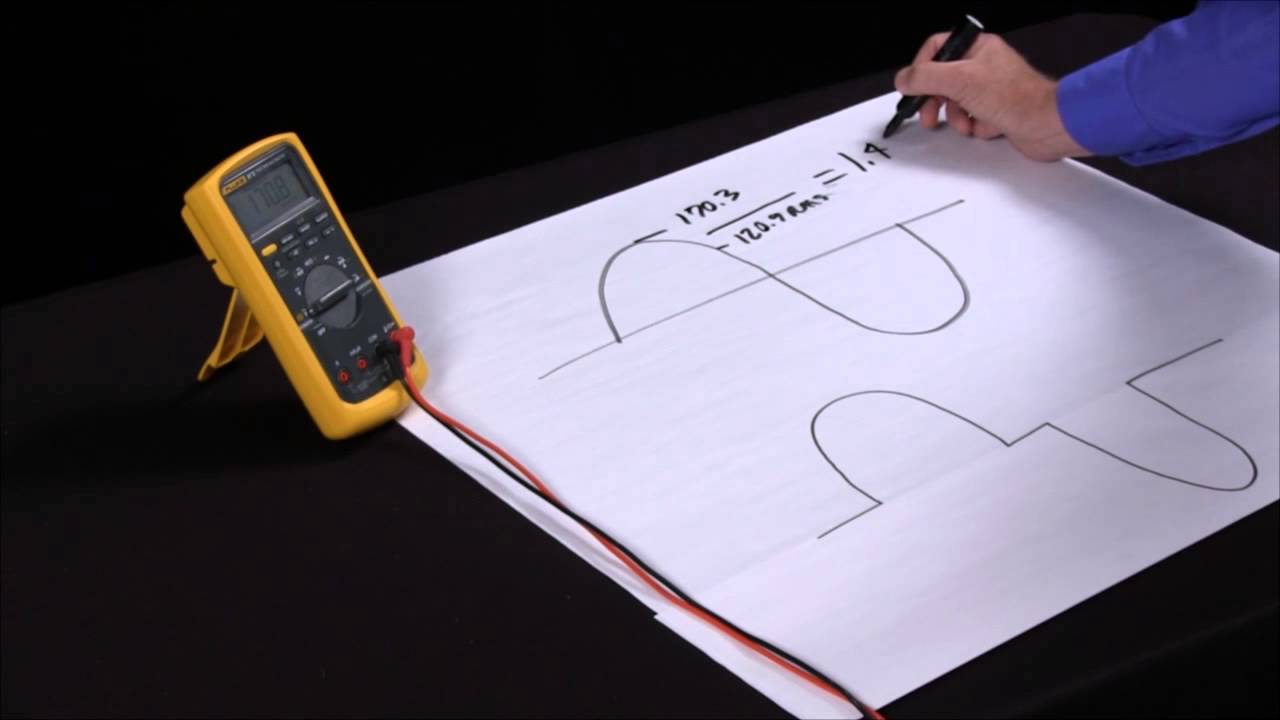
One of those 87V’s costs 700€ over here…
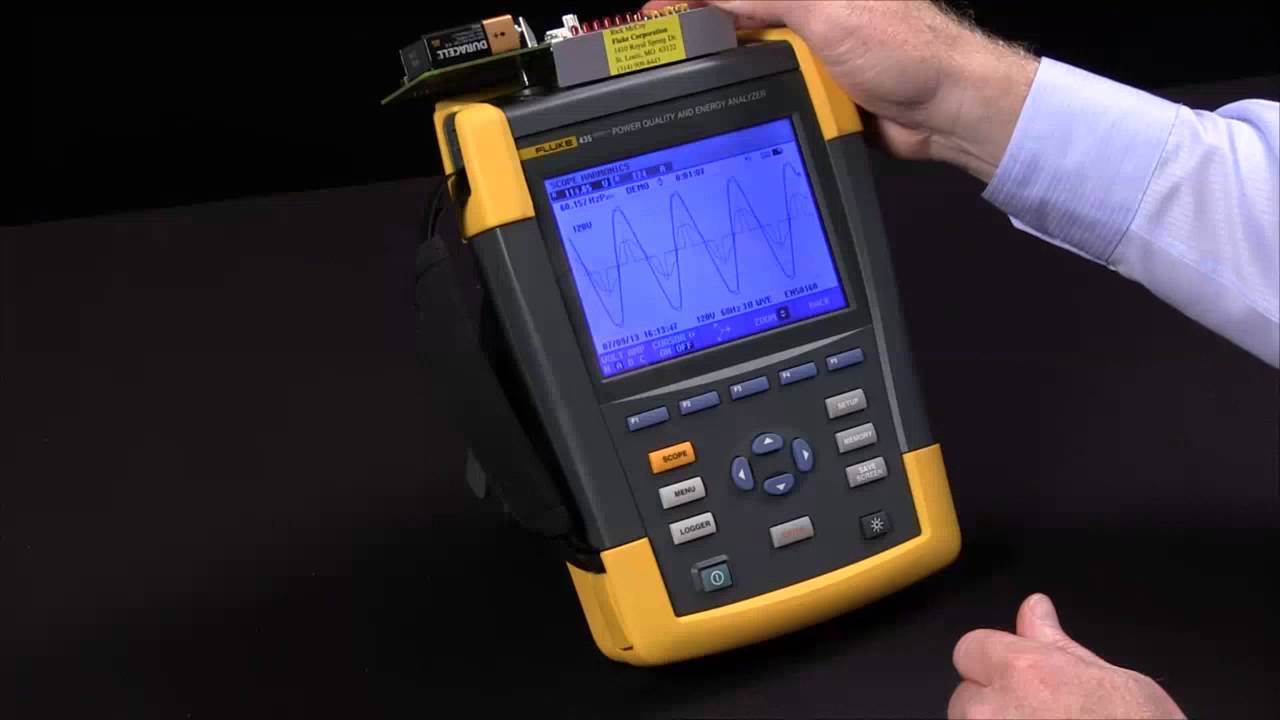
In case you really need to measure power quality, get a scope and differential probe, or power analyzer:
2 Likes
I agree power quality is a weird thing, there is only so much you can get from a meter. Mine measures fine with a meter.
This is it captured with a scope, note the distorttion in the “sine” wave.
I haven’t bothered to even look at the output from the regnerator, but I did look at the output from a lot of filters and an isolation transformer and most didn’t address the fundamental issues.
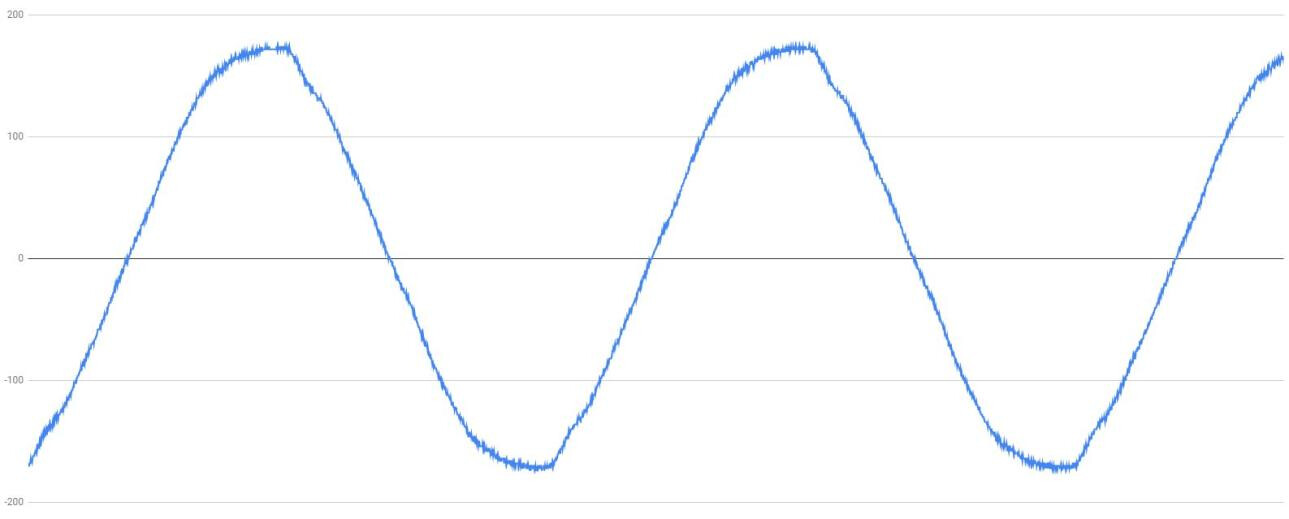
The higher tier powerplants will also display input and output traces
4 Likes
Hwy robery! I’m tempted to pull the trigger on a used one here for around $250 if I didn’t already have a Fluke I’d have bought it.
Hmmm. Wonder if tool rental places will rent out a scope?
You can do it with one of those PC plugin things you can get for probably ~$100, BUT you need at least 2 channels and you need to know what you are doing, or be willing to shock yourself or destroy things, it’s not a measurement to “play” with.
It would be super cool if there was some type of bluetooth plug in the wall product that would then register AC health and quality to a paired tablet.
How’s the for a product idea?
2 Likes
I am getting by with my cheap-ish multimeter (never mind the test gear on the shelf below it).
Honestly, for home use, an 87 is overkill.
I mean… I can see some use in that.
Nearly all mid-tier scopes have web interfaces to let you check in on your measurements from elsewhere on the network, and make changes.
A Rigol DS1104 can be head for cheap, even cheaper used.
1 Like
No space for something like that in my house, but that’s super excellent!
1 Like
Forget the sinewave your wall provides. Put a scope on the output of the PSU (the rails) of your chosen gear. Everything you need to know is there.
Since this thread was bumped, might as well comment on some of the recent experiences I’ve had with the power plants and higher end gear. I’ve found that really most of the gear I have in house now, the power plants end up doing more harm than good. I think the biggest thing I can point to is a more sterile representation of sound and loss of immediacy that ends up decreasing my overall perception of realism and lifelike-ness? sorta?. There are some things I still have that offer more benefits than negatives, but I think I’ve hit the point with a lot of my gear where really direct out of the wall (on a few dedicated circuits of course) really is the better option, some things just do sound restrained on the power plants now.
Pulling an explanation out of my ass, but it’s weird since for budget gear and more midrange stuff it does seem to help out the more lackluster psu inside the components almost (not sure if that’s true or not, don’t really know), and going higher will showcase more of those differences too. But I guess you just hit a point where the internal psu of units are either a whole lot more picky or a whole lot more capable than what the power plants can do in terms of correction? or taking advantage of? the AC that’s coming into them? Doesn’t really sound right and not based in any sort of logic there though lol.
Still like them, but I really do think some of the high end gear I have is held back by them given how much better they can sound right out of a wall, depends on the equipment though of course, it’s just that the stuff I’m sticking with doesn’t take as well
6 Likes
Do you find digital benefits more from the power plant?
It depends, although I would say I’ve had better luck with digital stuff sounding good on the power plants rather than like amps. Preamps seem to be entirely hit or miss for me. I will say that with the DACs in my most recent comparison, I think 3 out of the 5 (totaldac, lampizator, and apl) sounded better right out of the wall, with the emm being a solid improvement across the board on a power plant, and the berkeley I did think generally was just better as well although less balanced in voicing which gives me a bit more pause
Honestly, now that I think about it, I think tube gear generally doesn’t take as well to the power plants than solid state, but that could just be a coincidence
6 Likes
on a few dedicated circuits of course
Yeah… having a dedicated circuit is probably as good as it gets. Adding a P3 to my system was all gains, but I’m in a condo building and the power around here is dog shit. I used to be able to hear my appliances through my stereo lol
3 Likes
For sure, being in a shared building or urban area can be really rough when it comes to quality of power. I’m in a more rural area without many industrial activity around me either which helps with power quality (then again the quality of infrastructure isn’t that great though in comparison to a more populated area). Getting a dedicated circuit for your system is well worth the cost imo.
I will say, on cheaper gear, I still think the p20 pulled weight despite that dedicated circuit, but I think it’s just hitting it’s limits now
2 Likes
Power supplies are everything. One of the reasons more expensive gear is heavier is due to the power supplies. Big transformers require big iron. Transformers are the power available to the rest of the circuitry. If it’s not enough, regardless of how good the rest of the circuitry is, it will struggle.
The difference between wall power and power plants is that power plants (which are themselves a simple amplifier) like any other amplifier, have a limit and that limit can not possibly be more than the wall. It’s not even the same as the wall, it’s always less (even with a perfect power plant, some power is lost to heat).
Therefore, when push comes to shove, a power plant can not provide as much power as the wall provides.
Think of it this way, when the power demands go up, which will provide more, a power plant (amplifier) or the nuclear plant at the other end of the wall receptacle?
The quality of the power itself (inside a piece of gear) is dependent on the filtering ability and design of the PSU. Some swear a CLC (C = choke, what’s inside Schiit Tyrs), some swear it’s not necessary if a standard (and cheaper and smaller and lighter) CRC is used. What it boils down to in the filtering is how smooth the DC is that comes out. This is all in the equipment’s PSU - no external device can affect it. This gas a direct effect on the performance of the rest of the circuitry.
Preamps and DACs are more susceptible to the quality of a PSU because unlike an amplifier, they are working with small low level voltages. Thinks of it this way, if someone at the beach pees in the ocean, the likelihood of it affecting you is basically none. If someone peed in the bathtub you’re in, you’re gonna get some on you. The other thing that matters is power regulation. In a perfect world, both the voltage and current would be constant regardless of load. This is fairly easy to do in a preamp or DAC since the power demands are relatively low. Also (again) since we’re dealing with low level voltages, this can make a big deal. Perhaps this is why power plants do better with this type of gear - they guarantee a relatively constant power supply.
Amplifiers require way more power to be realistically feasible to have a constant voltage and current supply.
SMPSs in general have a shit reputation. This is well deserved because the vast majority of them are made as cheap as possible for consumer grade electronics and are generally utter pieces of shit. However, most hospital these days use SMPS supplies to run life saving and life maintaining equipment. They’re THAT good. But only when the manufacturer of the end product wants them to be.
The one thing I’m not quite sure about (and it undoes my statement from above) is if/how the shape of the sine (coming from the wall or power plant) affects anything. I don’t see how the rectifier can be affected - all it cares about is, am I seeing positive or negative phase. But, perhaps the transformer gets wonky in some way. I don’t conceptually see how that would be but maybe it does.
2 Likes
If there’s anything I’ve learned moving up, it’s that power supplies are one of the things everyone focuses on improving, and a power supply upgrade is almost always worth the cost lol
Yes, you can notice this with some really demanding amps or if you have some of the smaller power plants, although admittedly with the p20 I wonder how many times I actually hit that limit
Would the quality of the incoming power not also have a direct effect on how well the internal psu has to work to convert and correct this power?
Could be
I’d also assume that amplifiers might have much higher peaks or spikes than any line level gear would which could be where the power plant limits things more.
That’s something they place heavy emphasis on, and same with output impedance of their power plants as well for their marketing. The idea of the lopped off incoming power and stuff like that, although that’s not really an issue where I live in the first place
I will say they are absolutely fantastic of making most ground loops disappear outside of sq lol
1 Like