Wellllll, that attempt didn’t go far. I need to either suck up the cost of new transducers or eat my losses snd move onto different speakers🤬
3 Likes
You’re a braver man than I for attempting such a task! Hopefully this cloud has a silver lining. Given the love you’ve extolled about those Lowther drivers, might as well try and get the new drivers.
2 Likes
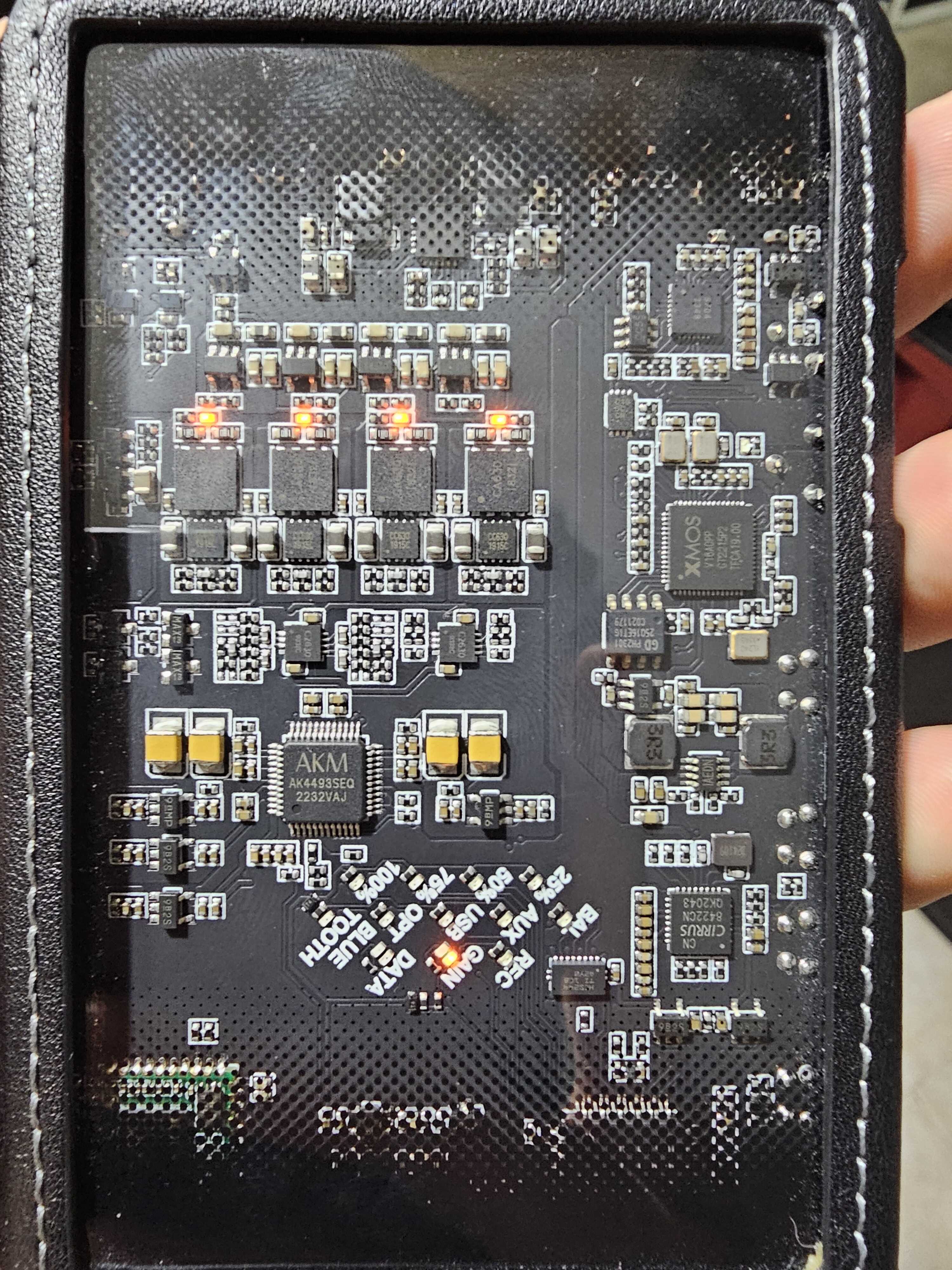
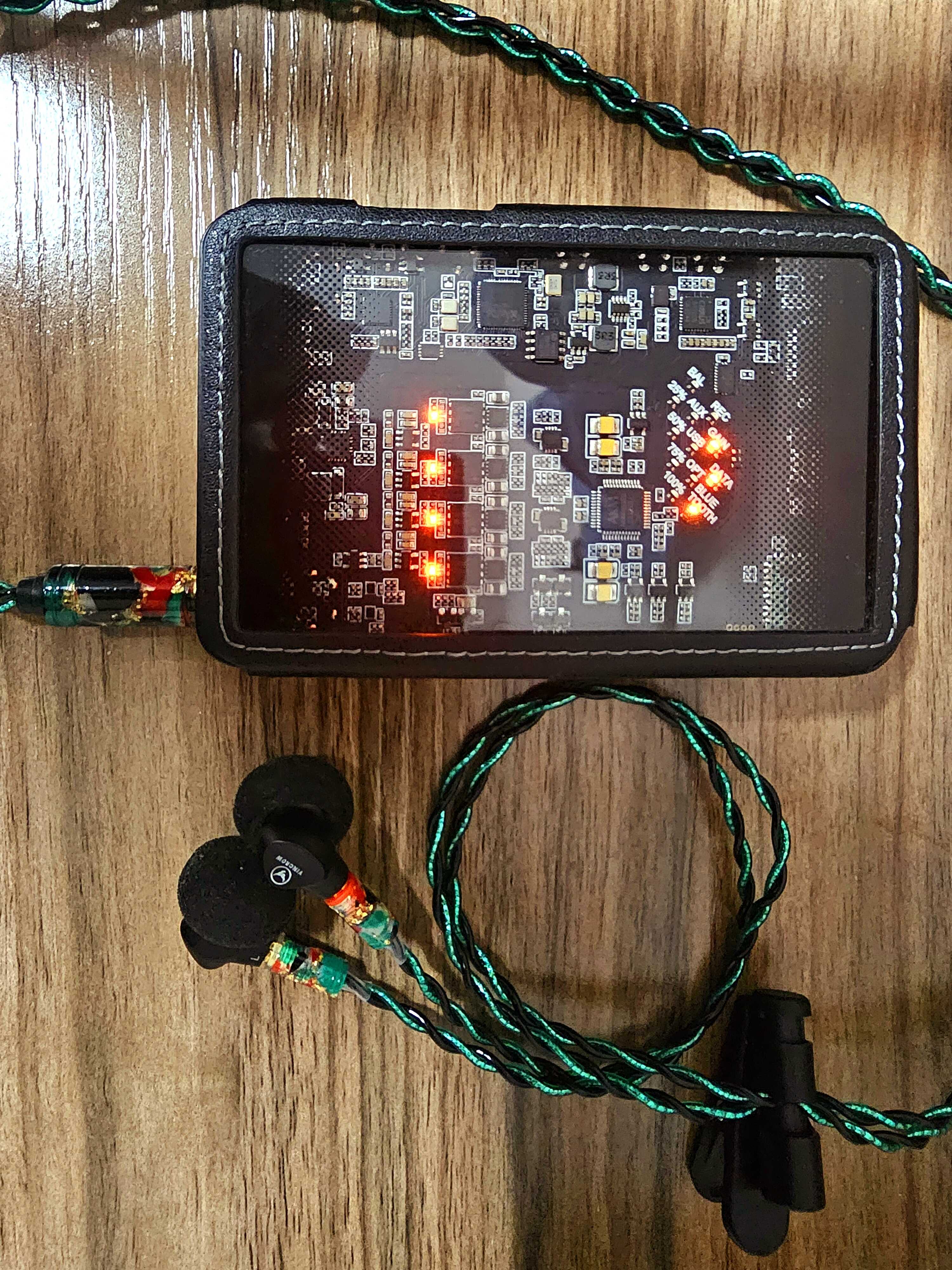
Im sorry that it cant be seen completely since the glass is shaded on the top and bottom, I couldnt find a picture with better resolution so I took this one.
The line ins and headphone outs + usb c and toslink are on the top part, the battery should be behind the pcb which I believe is the whole thing.
Im completely amazed how Questyle with their current amplication system made such a powerfull device just slightly larger than a chord mojo. Perfectly pocketable.
But its not only the power, the sound is top tier for its price, if you like questyles neutral-ish approach that is very liquid and a bit soft but not so much that it loses any detail, very organic.
It can drive my 600ohm Beyer T1.2 and ATH R70X with a lot of authority surpassing several more expensive desktop amps. Plus it has a lot of features.
And its all to be seen in this super simple circuit, they make it look easy although I dont understand how current amplification works compared to regular voltage amplification.
8 Likes
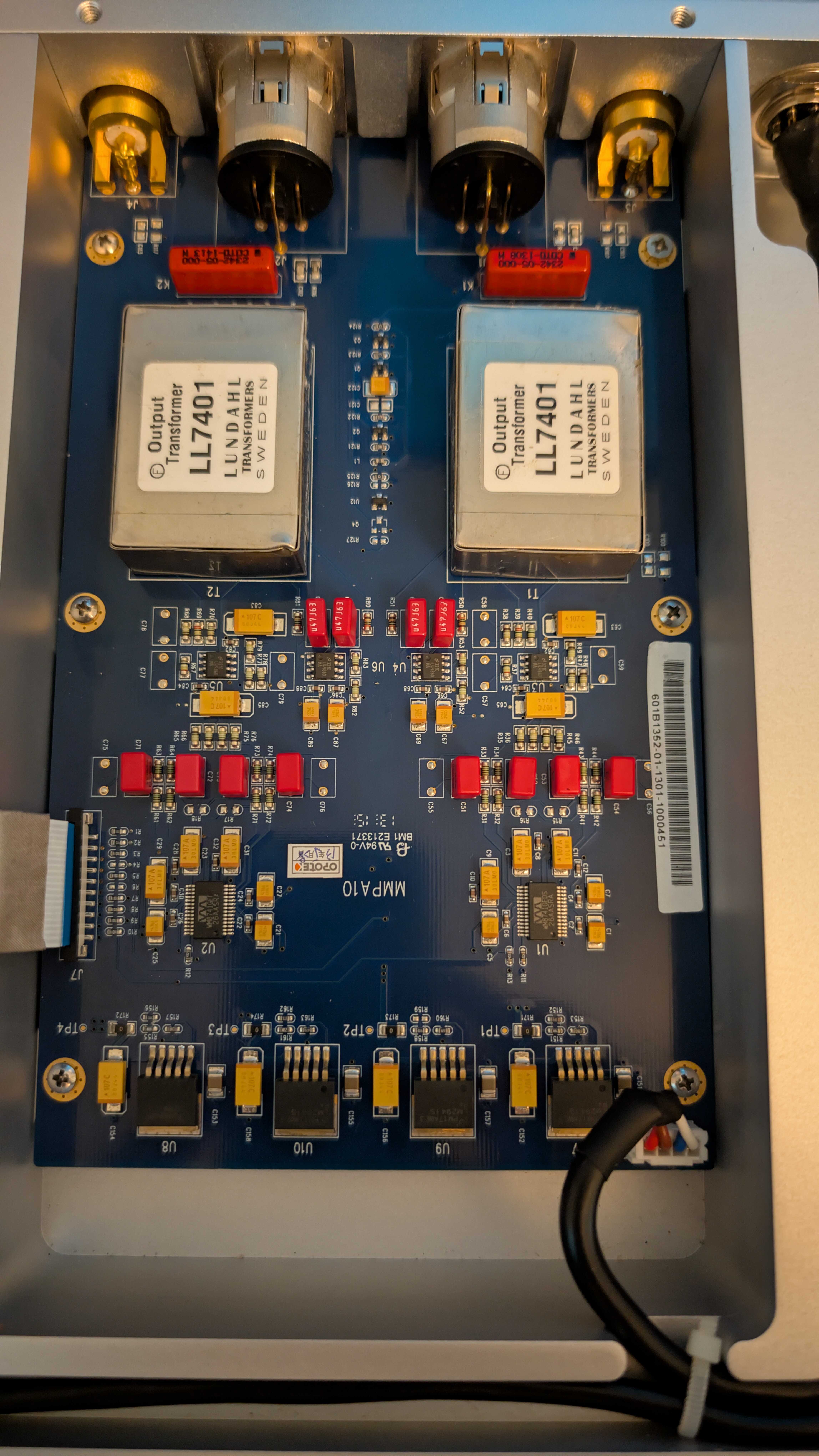
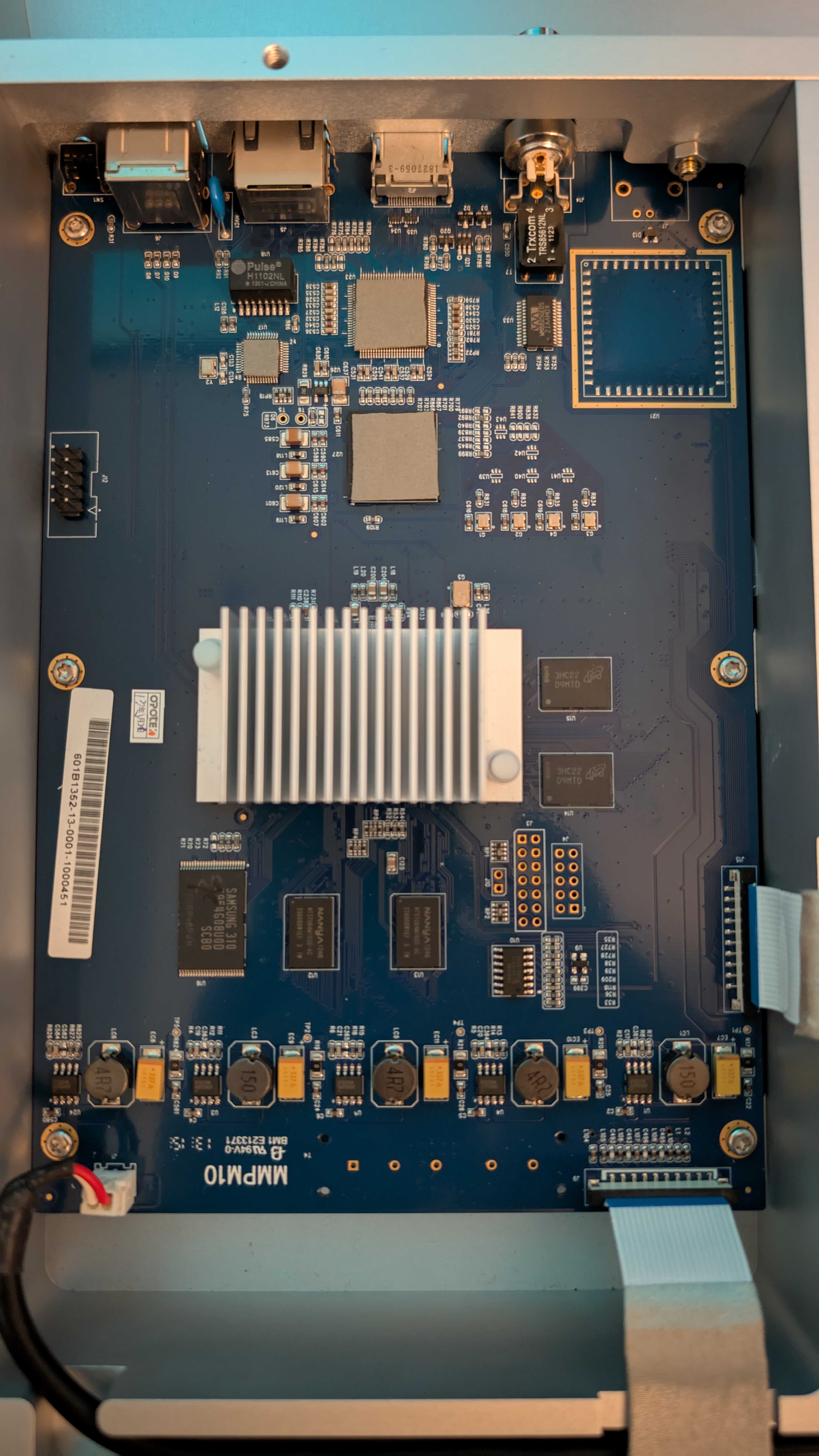
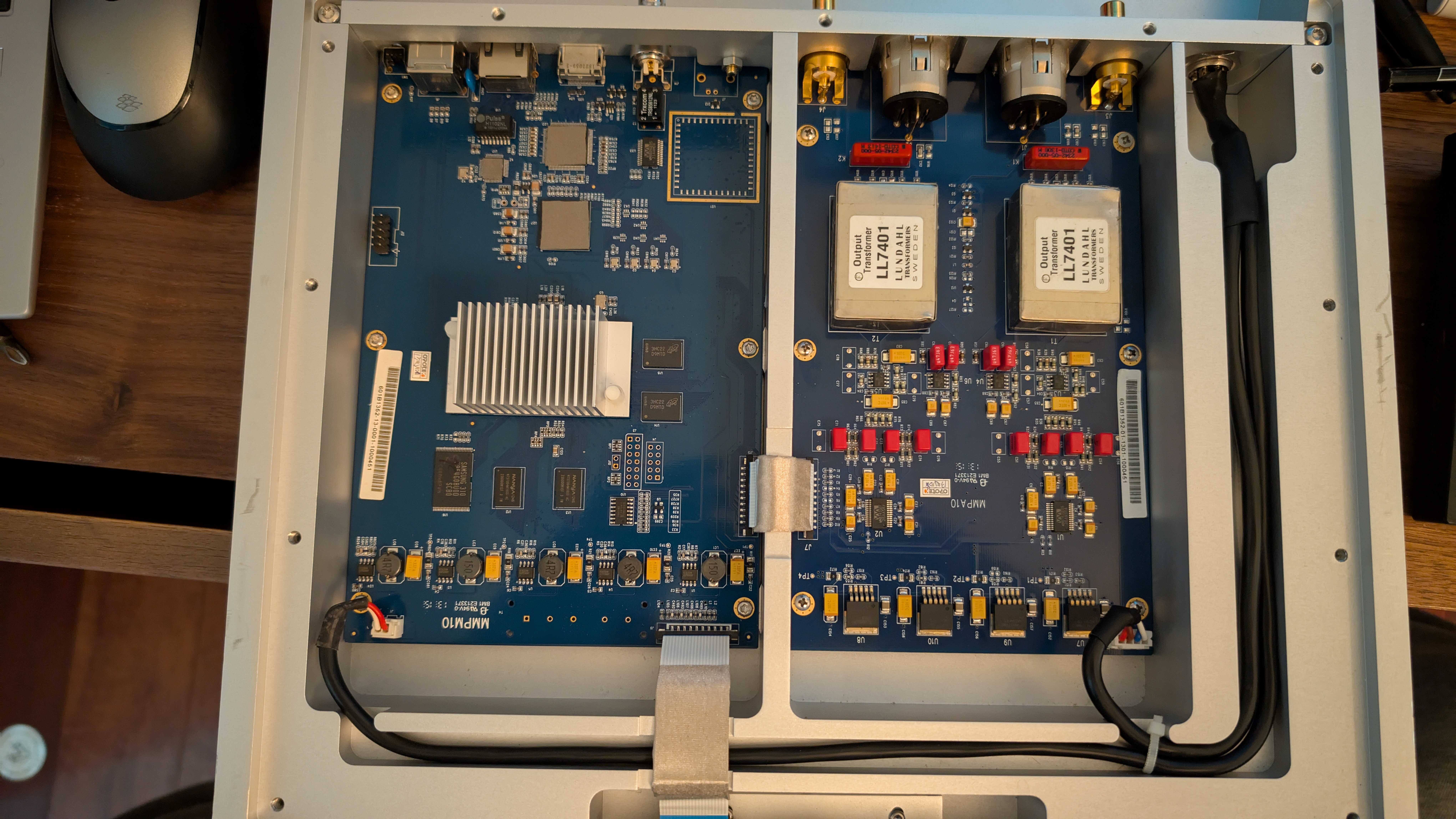
Not bad looking for 10 year old tech. The Lumin A1 was a flagship product back in the day. Today’s it’s just part of my current HP chain. Pretty good thus far, a lot of strengths, some weaknesses but overall a considerable step up from where I was before. Weill write some thoughts about it this weekend.
Opened it up to put some 3M EMI shielding material on the processors and just have a general look around. The milled aluminum chassis is greater than 50 mil in some areas and 8 mil thick in the main walls.
7 Likes
Yes that’s an expensive box to manufacture.
Interesting they put transformers on the Analog output, I assume it’s their solution to be able to provide balanced out.
2 Likes
Yeah, one of the things that attracted me to it. The transformers are actually in the circuit for both SE and Bal. it uses a pair Wolfson WM8741 DAC chips running in mono that convert all incoming digital into DSD.
What I’m actually doing is using Roon to do the DSD conversion and not have the A1 work to do it and it sounds a tick better.
Only real negative is that it’s not at the level of control and grip as other high end DACs I’ve heard. It get’s a little smeared when there is too much going on in a musical passage. But for less sonically crowded pieces it’s been very good.
2 Likes
Never is there a box you ain’t opening 
In all seriousness nice pickup!
What is the background on converting to DSD, as in why not keep it in the native PCM?
2 Likes
Something is going convert to the equivalent of DSD if you have a DS chip in there.
It’s a question of where you do it, it’s not a trivial transformation, since you have to make decisions about how you up sample dither and filter, so how it’s done matters.
5 Likes
Okay I think I understand it, and pardon my lack of understanding this aspect given the majority of my files are PCM:
-
If one is using a DS DAC then this is the ideal means to approach the playback of non-DSD files
-
In the case of an R2R DAC, this is not applicable given DSD is not the native format for playback on these devices
I have run into issues where my few DSD files have not been compatible with my current DACs which are all R2R in design. However a recent streamer acquisition has the ability to convert the DSD files into PCM, and thus been re-visiting those tracks.
1 Like
Yes some R2R DAC’s won’t convert DSD to PCM, my Total DAC has an optional DSD path but even then it’s only used if the volume is set to maximum, and I actually prefer having Roon do the conversion to PCM for a lot of material on it anyway.
The Lampizator I prefer when fed with DSD, but I don’t usually convert PCM to DSD for that.
3 Likes
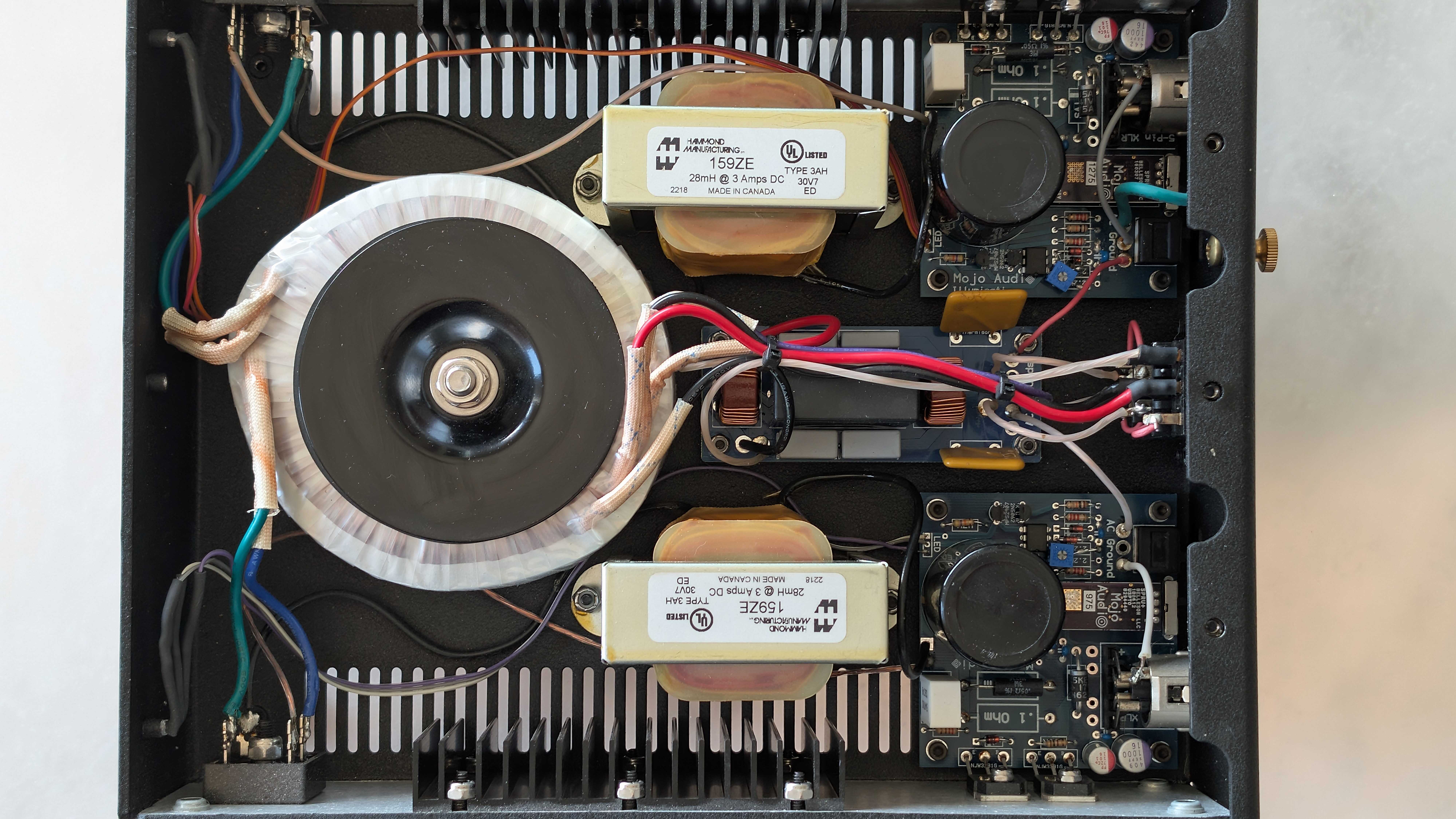
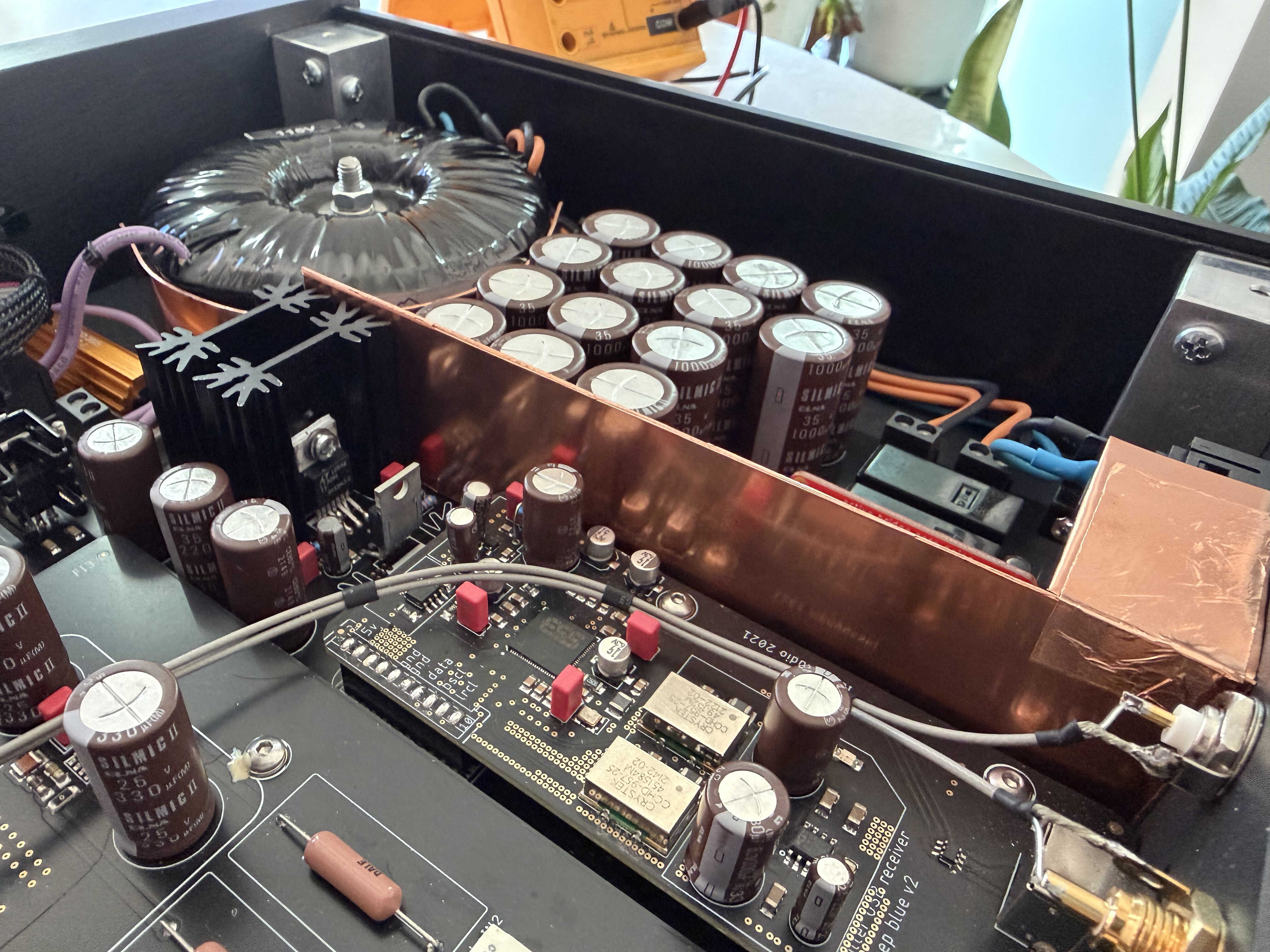
Ideon ION +
The USB board is shared among the Absolute, the ION and the EOS. Ideon is doing a lot here both in HW and SW because it is far superior to even their own Absolute Time DDC via SPDIF.
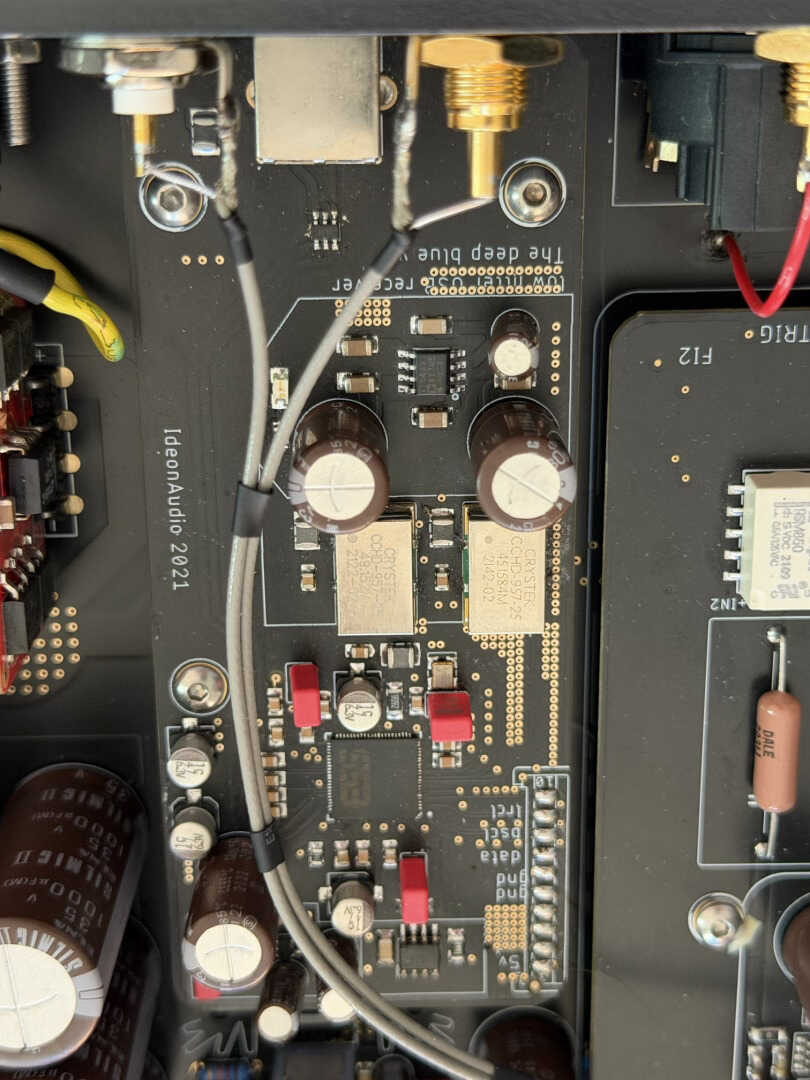
AC rectification that the EOS does not have but the ION and Absolute do
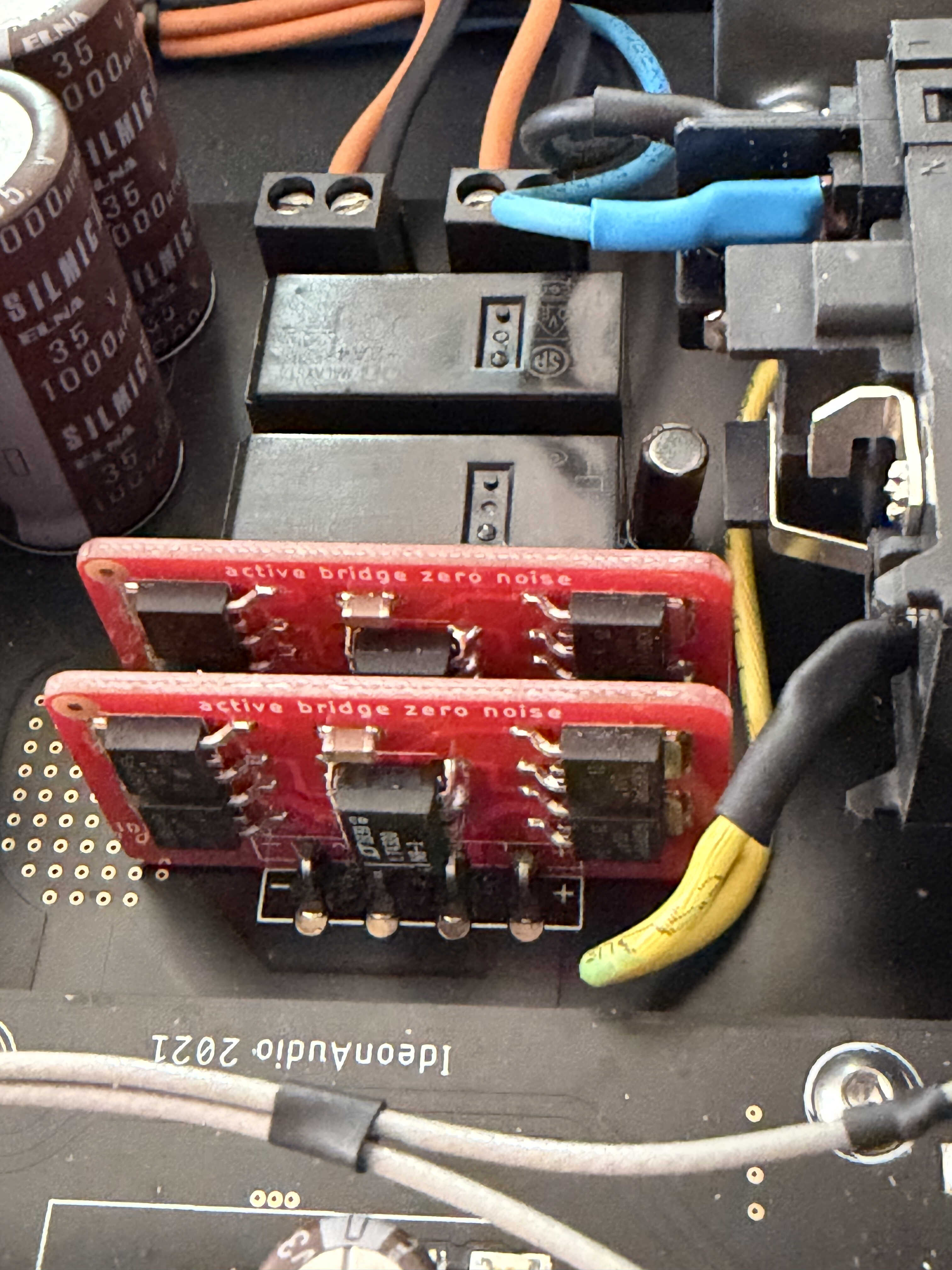
This is me being a dick who can’t leave well enough alone experimenting to see if chasing isolation of the noisy section made a difference, it did and so I ordered a couple of sheets of 2 mm this copper and made something a lot more finished. Basically encasing the entire AC side from the digital side.
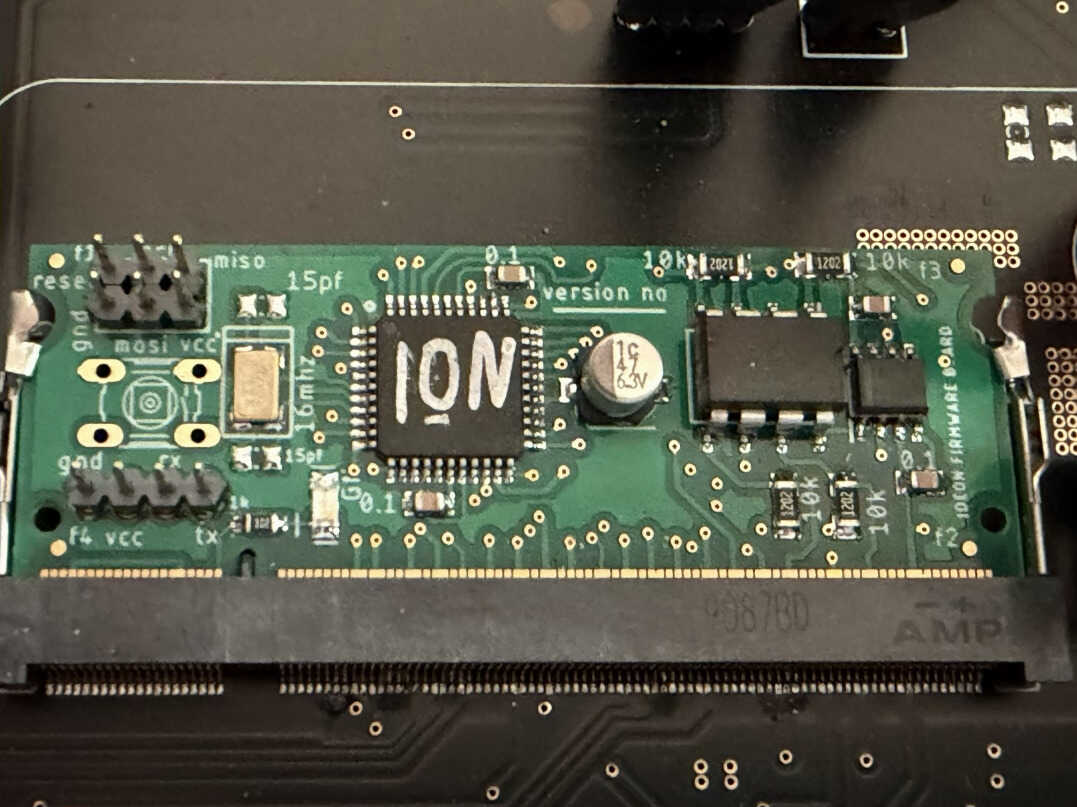
A close up of the DIMM like modules they use for their SW. Every marking wiped clean. This is where their IP lives I’m sure.
couple of other things not worth showing, I disconnected the display since I don’t need it after you do you initial set up. A bit of a pain in the ass since I can’t change the filter but I only disconnected it after I was really sure which filter I’d leave it on.
Ideon goes to some pretty great length to shield the display on their Absolute DAC which tells you that it’s noisy, so… :)
I also deleted the SPDIF since I’m not using the input.
8 Likes